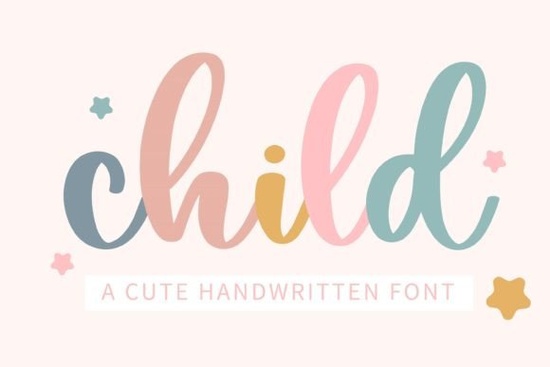
Child is a sweet and cute handwritten font that brings a playful, personal touch to any design. Whether you're creating wedding invitations, social media graphics, or custom stationery, this font adds a warm, inviting feel that’s hard to match. Its versatility makes it ideal for a wide range of projects, from baby-related designs to casual branding.
If you’re looking for a font that feels both friendly and professional, Child could be the perfect fit. It works well in both digital and print formats, making it a valuable addition to any designer’s toolkit. The script style gives your work a handcrafted look, which can help stand out in a crowded market.
Why Use a Handwritten Font Like Child?
Handwritten fonts add a unique personality to your designs. Unlike standard typefaces, they bring a sense of authenticity and creativity. For designers and small businesses, this can make a big difference in how your brand is perceived. Child, in particular, has a soft, flowing style that’s easy on the eyes and great for a variety of applications.
For crafters and print-on-demand sellers, using a font like Child can help create products that feel more personal and special. Whether you're designing greeting cards, T-shirts, or digital downloads, this font can elevate your work without requiring advanced design skills.
Best Uses for the Child Font
- Wedding Invitations: Add a romantic, heartfelt touch to your event designs.
- Social Media Posts: Make your content more engaging with a friendly, approachable look.
- Stationery Art: Create custom notes, thank-you cards, and more with a charming style.
- Branding Projects: Use it for logos, banners, or promotional materials that need a personal feel.
Its clean lines and natural flow make it suitable for both bold headlines and subtle body text. You can experiment with different sizes and colors to find what works best for your project.
How Does Child Compare to Other Fonts?
If you're familiar with other handwritten fonts, you might wonder how Child stacks up. Compared to styles like Olivia Scatcer or Sweet Cupcake, Child has a more refined and balanced look. It’s less ornate than some options, which makes it easier to use in a variety of contexts.
For those who prefer a more casual, freehand feel, Child still offers enough character to stand out. It’s a good middle ground between highly stylized fonts and simple, clean typefaces. If you’re working on a project that needs a soft, welcoming vibe, this font is a solid choice.
You can explore similar options like Baby BoHo Font, Children School Font, or Handwritten Font if you want to see different styles. Each has its own unique qualities that may suit different creative needs.
Getting Started With Child
To get the most out of the Child font, start by experimenting with different layouts and color schemes. Try pairing it with other fonts to see how they interact. Many designers find that combining it with a sans-serif typeface creates a nice balance between elegance and readability.
Make sure to download the font from a trusted source, like Creative Fabrica. Once you have it installed, you can use it in design software like Adobe Illustrator, Canva, or even Microsoft Word. It’s compatible with most platforms, so you won’t have trouble integrating it into your workflow.
If you’re new to using handwritten fonts, take some time to practice. Play around with spacing, sizing, and alignment until you feel comfortable. The more you use it, the better you’ll understand its strengths and limitations.
Remember, the goal is to enhance your design, not overwhelm it. Use the Child font where it adds value, and don’t be afraid to mix it with other styles for a more dynamic look.
Whether you're a designer, crafter, or small business owner, the Child font offers a versatile and appealing option for your creative projects. Its charm and flexibility make it a valuable tool in your design arsenal.
Quick Checklist:
- Try the font in different sizes and styles to see what works best.
- Pair it with other fonts for contrast and visual interest.
- Use it in both digital and print formats to test its versatility.
- Explore similar fonts to find the right fit for your specific needs.
Take the time to experiment and find the perfect way to use the Child font in your work. With a little practice, you’ll be able to create designs that feel personal and professional at the same time.
Learn More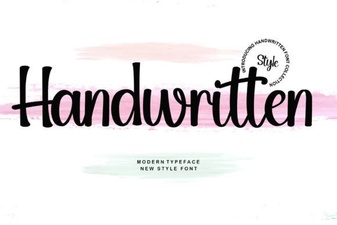 Handwritten Font for Creative Projects
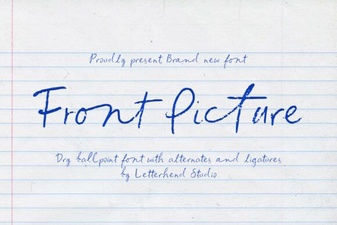 Front Picture Font Design Trends 2024
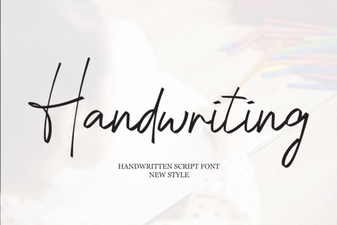 Best Handwriting Fonts for Creative Projects and Designers
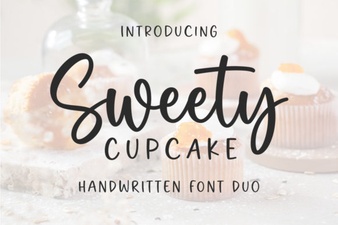 Sweet Cupcake Font Design Ideas
 Victory Swing Font for Creative Design Projects
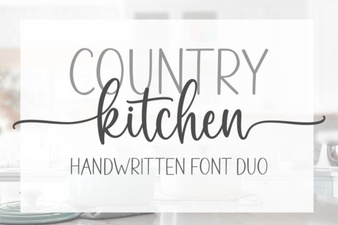 Country Kitchen Font for Rustic Design Projects